Legacy Bot Support

Started by Jeffrey Williams on Feb 23, 2026 at 5:52 PM
973 views � 13 replies
Posted Feb 23, 2026 at 5:52 PM

Tom, I am a little concerned with the support for the other 4 legacy bots being sunset and just going forward with Phoenix. I have had much better success with the legacy bots than with Phoenix. I really haven’t had much success with Phoenix – at first it wouldn’t run, then once I got it running, the Competition Coordinator didn’t work causing M4-M5-M6 to double up on the same trades at times, which unfortunately have all been losing trades. Whereas with the legacy bots I have been making money and passed the evaluation on my Bulenox accounts last week. I am also trading a cash account with the legacy bots and making money there as well. Since January the legacy bots have made almost $4K for me, compared to Phoenix’s YTD of $254.86 per your performance page. I get it that the backtest data is more robust with Phoenix, but need to also consider the actual out-of-sample trading performance. So far, the legacy bots are hands down the winner. My opinion is that it is premature to sunset them. I would really prefer to see support (performance page, updates if needed, etc) for the legacy strategies to be continued for 3- 6 months to see how Phoenix does in live trading in comparison to the legacy bots before all support for the legacy bots is sunset.

When I look at the trade metrics of Phoenix what I see is it only makes about $5000 per year with one MNQ contract, and if I increase that to 2 contracts the drawdown is > $3k which will blow a $50K Bulenox account. If I remember correctly when you combine the legacy bots together you get a larger total return than Phoenix with only slightly higher drawdown making the cost/benefit of the legacy bots better than Phoenix.

The 6-year equity curve of Phoenix looks great, but when I look at the recent 1 year it had large gain in April and May, but then went flat and it was October before it made a new equity high. Along with the lower total return, my other concern with Phoenix is it stays in drawdown for very long periods of time across the backtest history. The max days to recover is 157.9 days for MNQ and 251.9 days for MES. When MNQ and MES are combined they have 231 days to recover from drawdown. That is so long most people would think the strategy is broken and would stop trading it. If you look at the most recent 1-year performance the max days to recover is 139.1 days which also hard to sit through.

It would be helpful to be able to do a comparison of Phoenix with of the legacy bots. Would it be possible for you to put the performance data for the legacy bots back so we can see how combinations of the legacy bots and Phoenix do for comparison? I plan to continue to trade the legacy bots for now, and I find having the performance data available helps me evaluate if I should change the number of contracts, or use the strategies in different combinations to keep the drawdown low so I don’t blow my Bulenox accounts while getting a decent amount of return.
Posted Feb 23, 2026 at 10:31 PM
Jeffrey Williams said:

Tom, I am a little concerned with the support for the other 4 legacy bots being sunset and just going forward with Phoenix. I have had much better success with the legacy bots than with Phoenix. I really haven’t had much success with Phoenix – at first it wouldn’t run, then once I got it running, the Competition Coordinator didn’t work causing M4-M5-M6 to double up on the same trades at times, which unfortunately have all been losing trades. Whereas with the legacy bots I have been making money and passed the evaluation on my Bulenox accounts last week. I am also trading a cash account with the legacy bots and making money there as well. Since January the legacy bots have made almost $4K for me, compared to Phoenix’s YTD of $254.86 per your performance page. I get it that the backtest data is more robust with Phoenix, but need to also consider the actual out-of-sample trading performance. So far, the legacy bots are hands down the winner. My opinion is that it is premature to sunset them. I would really prefer to see support (performance page, updates if needed, etc) for the legacy strategies to be continued for 3- 6 months to see how Phoenix does in live trading in comparison to the legacy bots before all support for the legacy bots is sunset.

When I look at the trade metrics of Phoenix what I see is it only makes about $5000 per year with one MNQ contract, and if I increase that to 2 contracts the drawdown is > $3k which will blow a $50K Bulenox account. If I remember correctly when you combine the legacy bots together you get a larger total return than Phoenix with only slightly higher drawdown making the cost/benefit of the legacy bots better than Phoenix.

The 6-year equity curve of Phoenix looks great, but when I look at the recent 1 year it had large gain in April and May, but then went flat and it was October before it made a new equity high. Along with the lower total return, my other concern with Phoenix is it stays in drawdown for very long periods of time across the backtest history. The max days to recover is 157.9 days for MNQ and 251.9 days for MES. When MNQ and MES are combined they have 231 days to recover from drawdown. That is so long most people would think the strategy is broken and would stop trading it. If you look at the most recent 1-year performance the max days to recover is 139.1 days which also hard to sit through.

It would be helpful to be able to do a comparison of Phoenix with of the legacy bots. Would it be possible for you to put the performance data for the legacy bots back so we can see how combinations of the legacy bots and Phoenix do for comparison? I plan to continue to trade the legacy bots for now, and I find having the performance data available helps me evaluate if I should change the number of contracts, or use the strategies in different combinations to keep the drawdown low so I don’t blow my Bulenox accounts while getting a decent amount of return.
I agree. I cannot get behind phoenix. I am in a similar position. I have a few funded accounts and only using breakout guardian. My first 3 mths is up for renewal today. The legacy bots have served me well. 

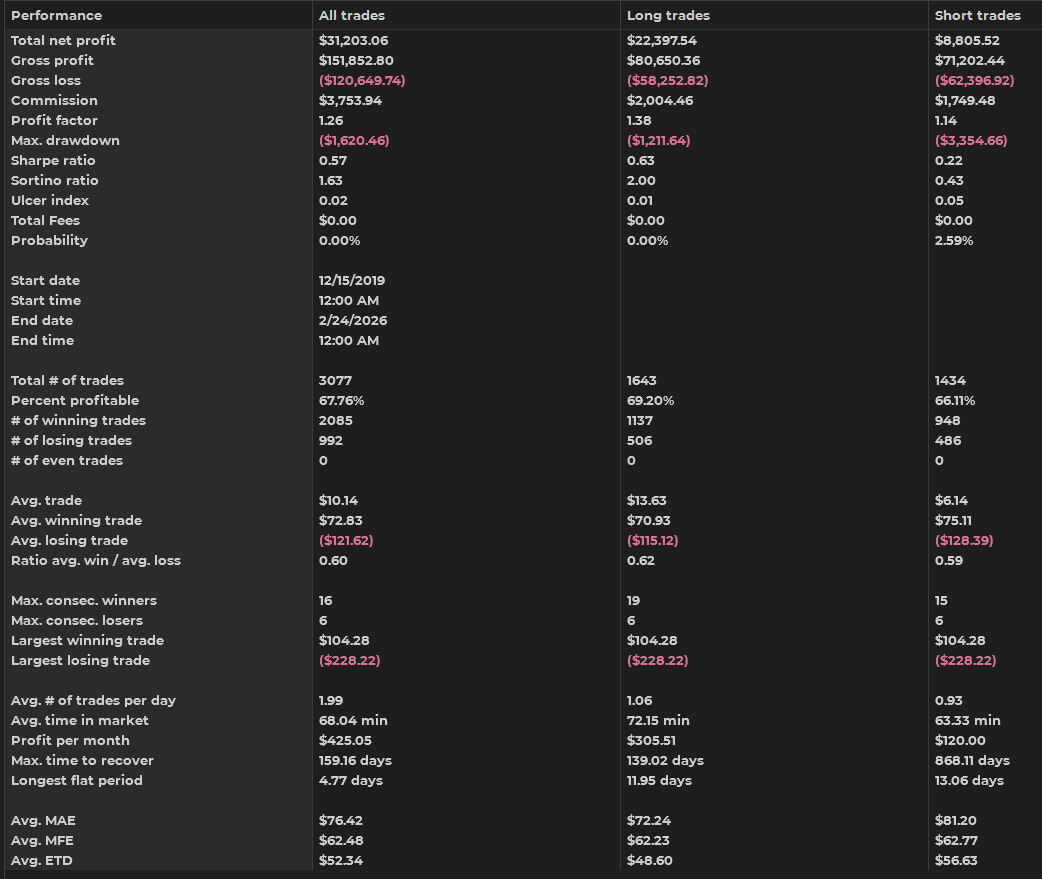
Pheonix   All Time = $424/mth, over the course of last year $480/mth.

 Profit Factor over the last 12 m  1.23 and the drawdown to profit ratio = 27%. It may well be robust over a 5 year period, but over the short term the return on investment is ... well lets subtract last years subscription from the profit,$5587 - ( 348 * 4 ) = $4195, max drawdown of $1522, and 139 days to recover. I dare say that this would make it challenging, to say the least to pass a 50K evaluation, not to mention that somebody like Apex these days are only offering 80% off for the 1st mth, then it goes to 50% . If it was going to take 6mths say to pass (optimistic) I think that makes it a hard sell. 

The drawdown to profit ratio on Breakout Guardian = 9% over the last 12 months, with 23 days required to recover.
I understand completely how much has gone into this, and the importance of robustness, but I am not in a position to wait 139 days to recover from a 27% drawdown. Its just not as enticing as Breakout Guardian. This is a really challenging market at the moment, and controlling drawdown, and time to recover are pretty important to me at least. And keeping my funded accounts moving forward is my priority.
Anyway, at this stage I am sticking with the legacy bots in the hope that I can get to my first payouts, sooner rather than later.
Just my honest opinion, no disrespect meant. A lot of work has gone into this and I appreciate that.
 

Posted Feb 24, 2026 at 1:42 AM
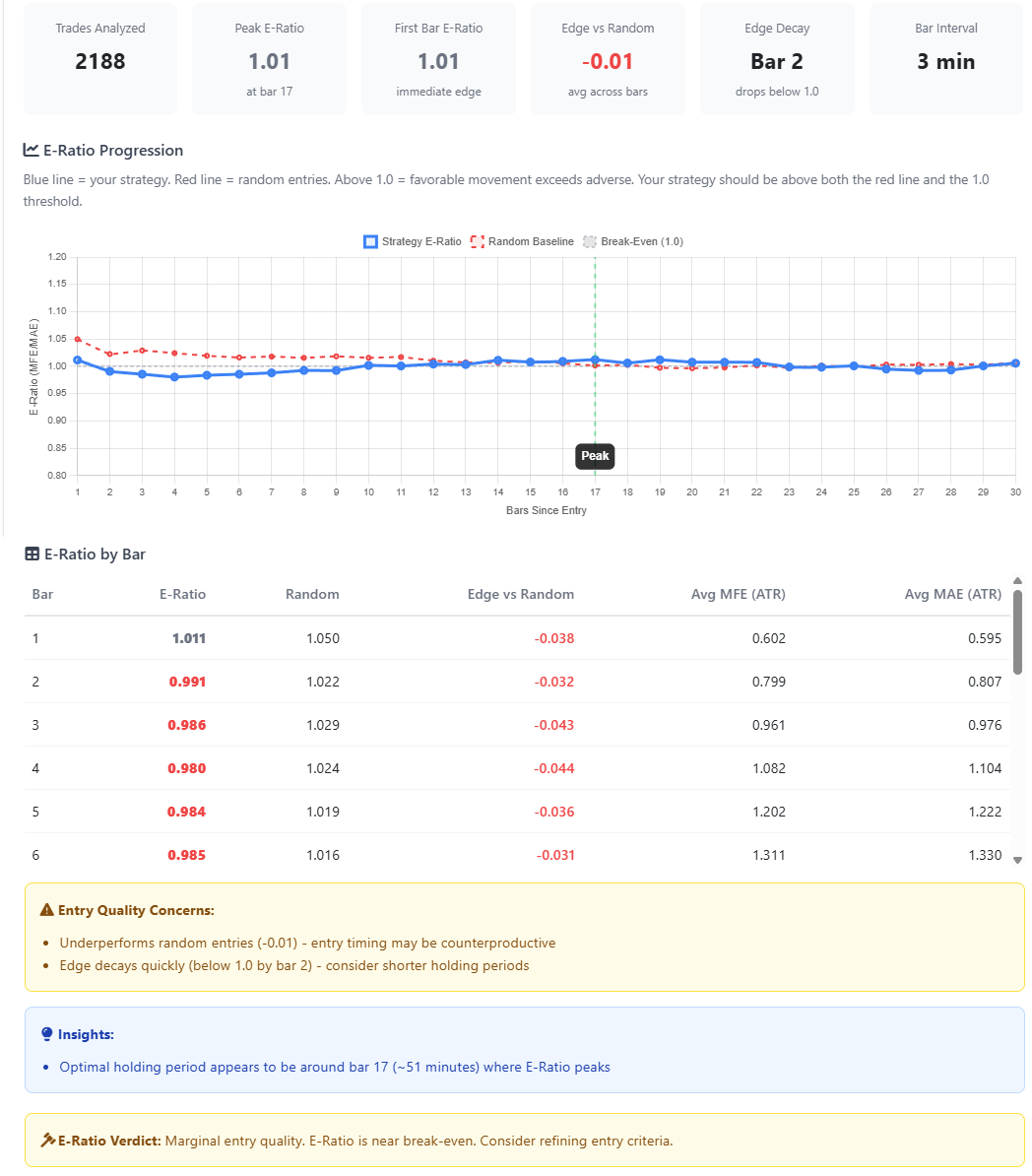
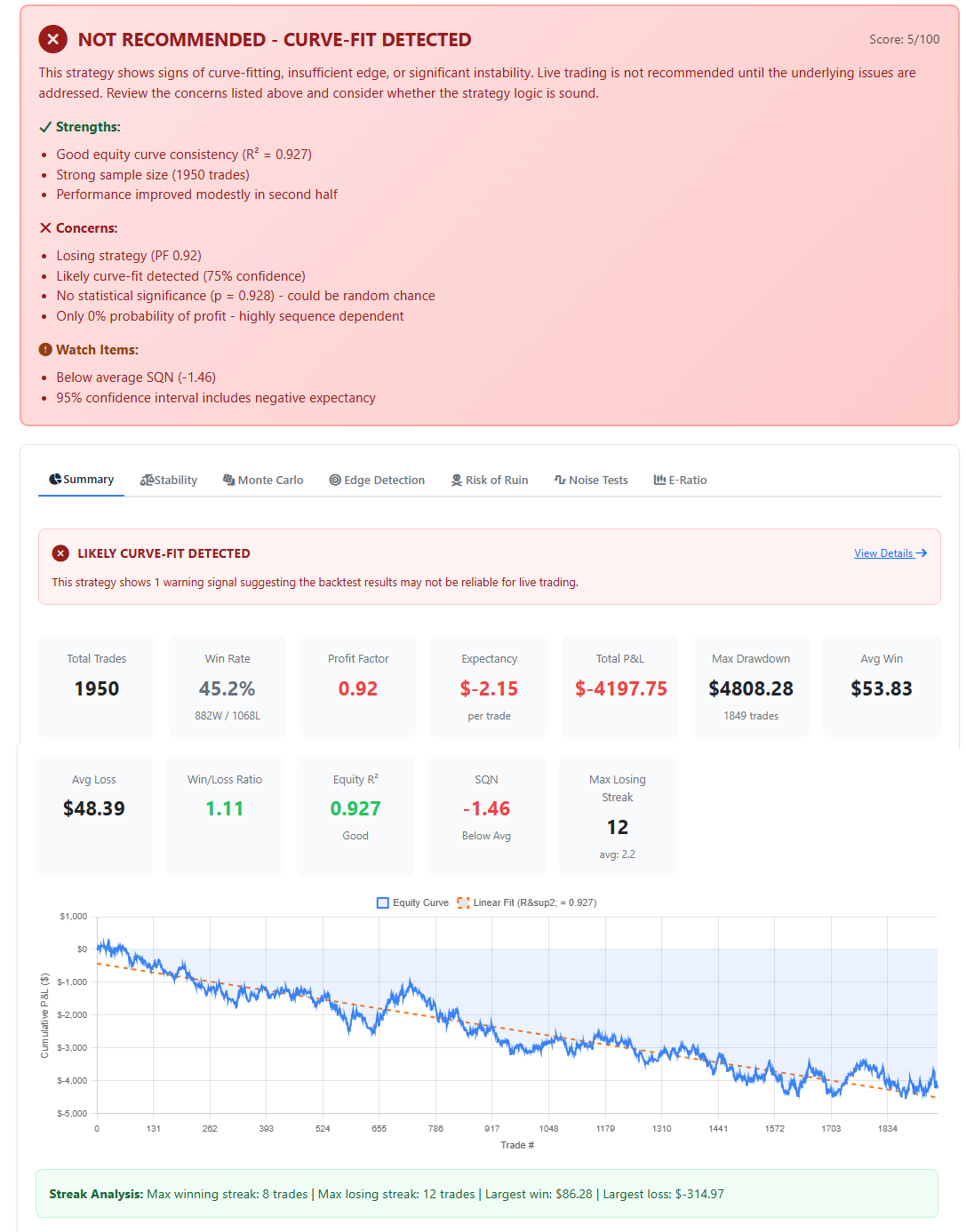
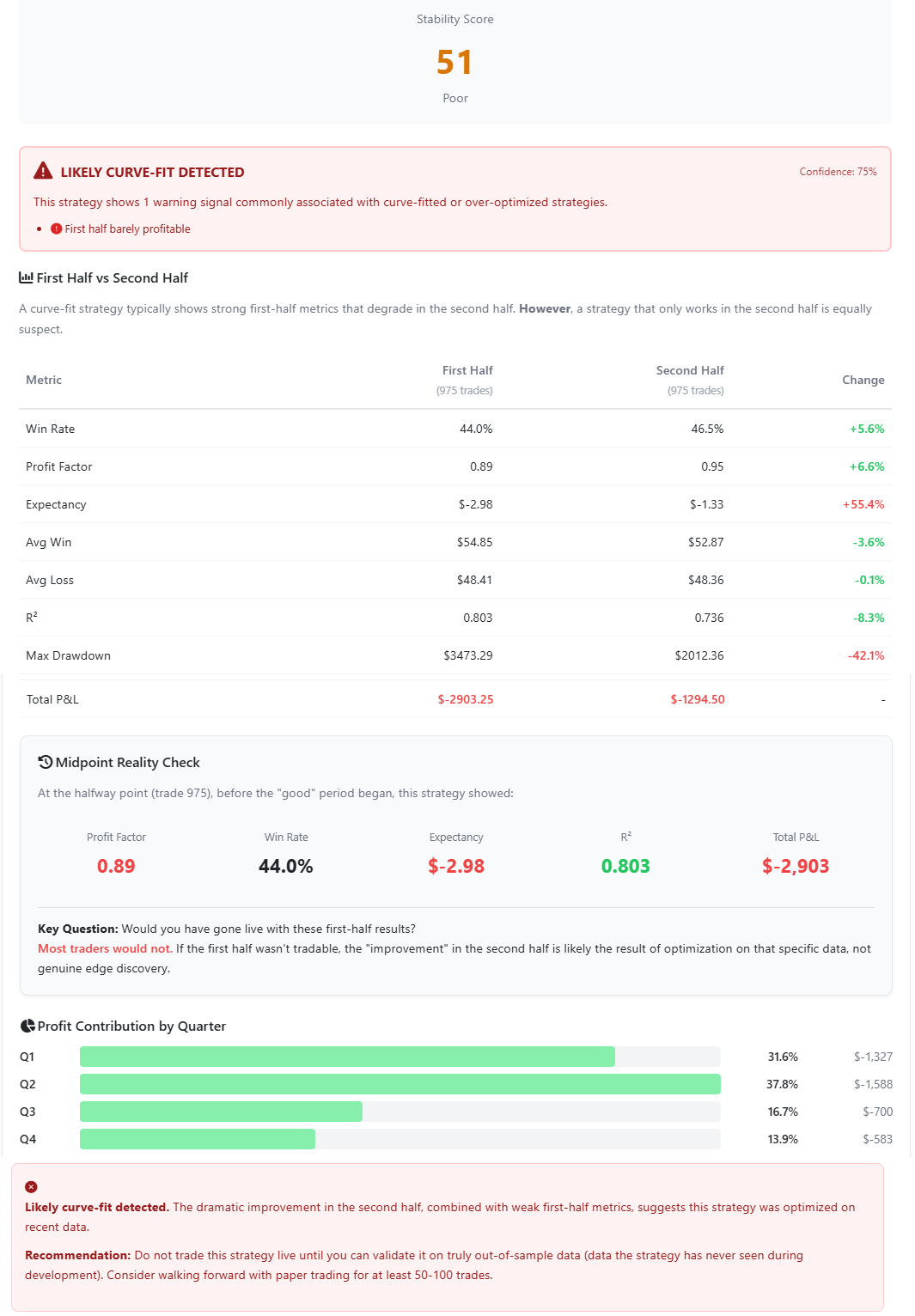
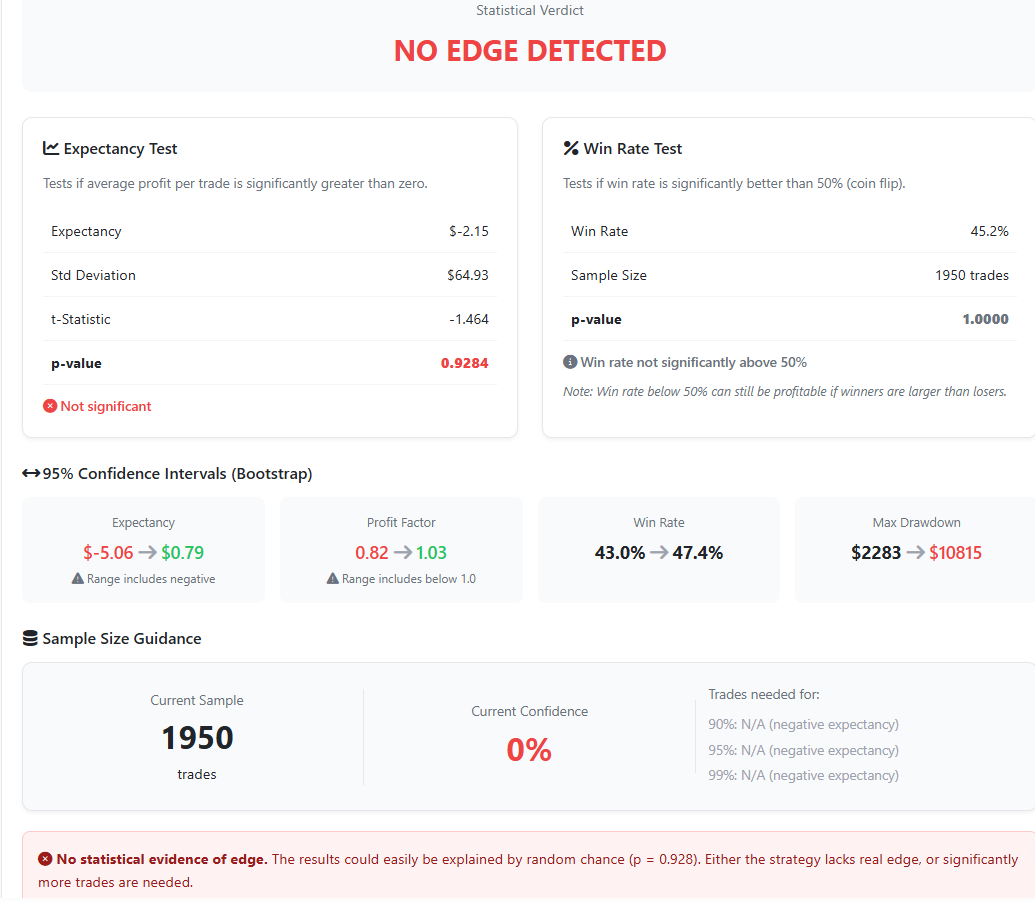
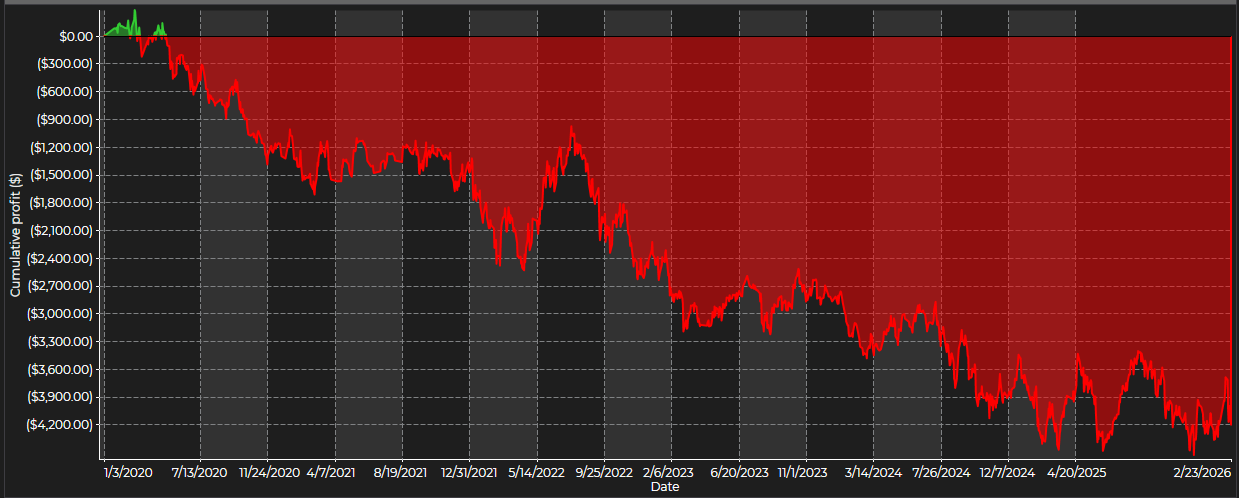
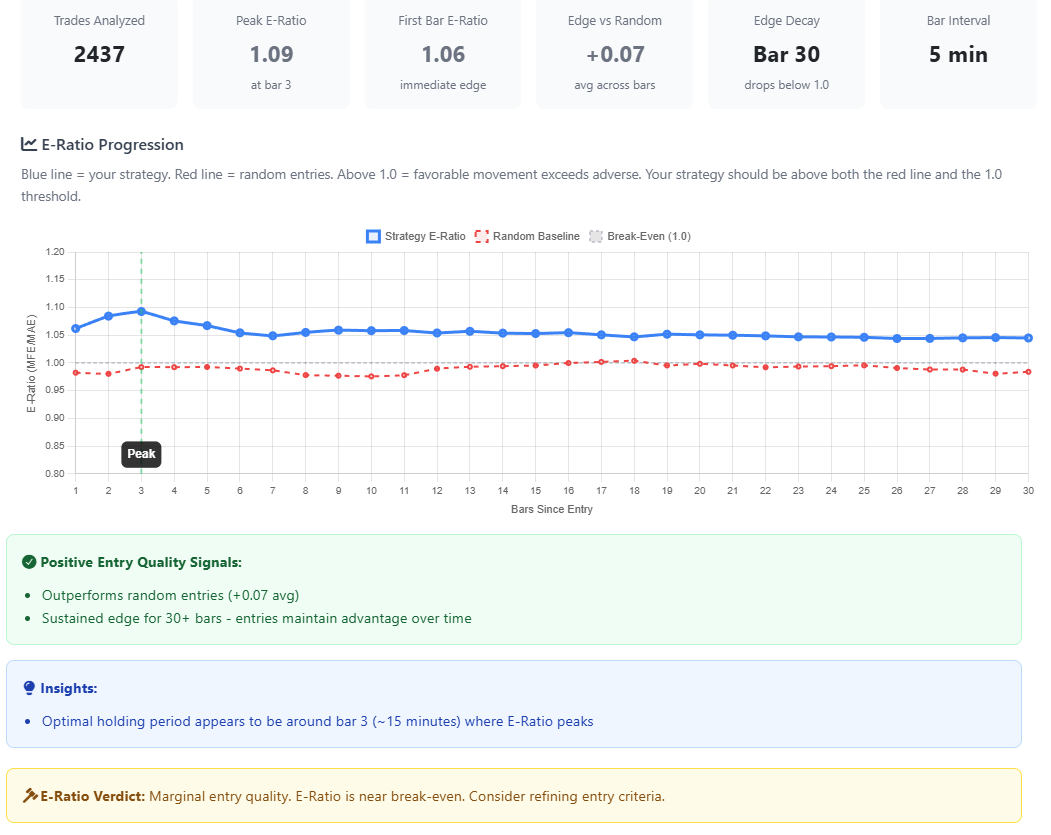
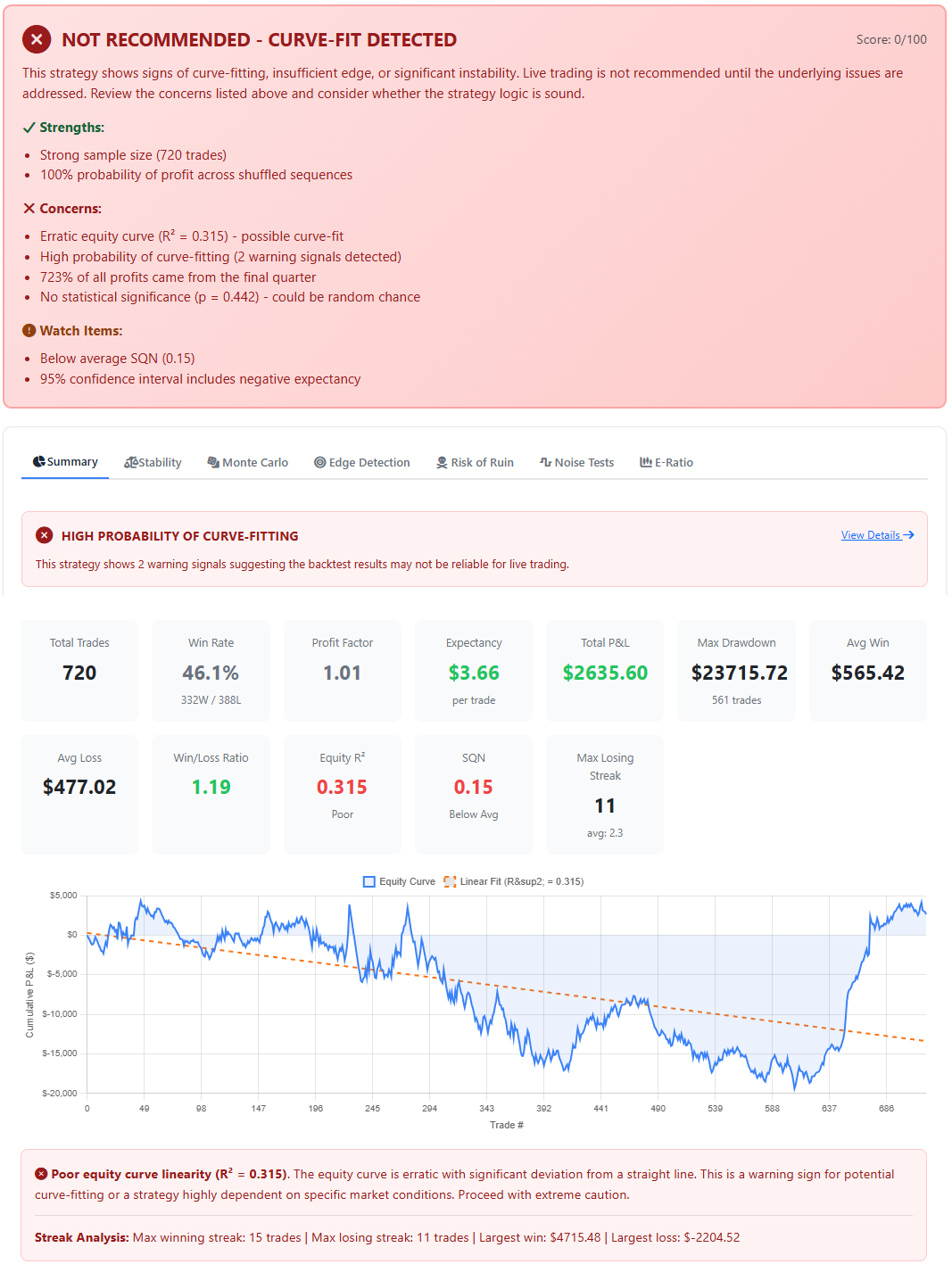
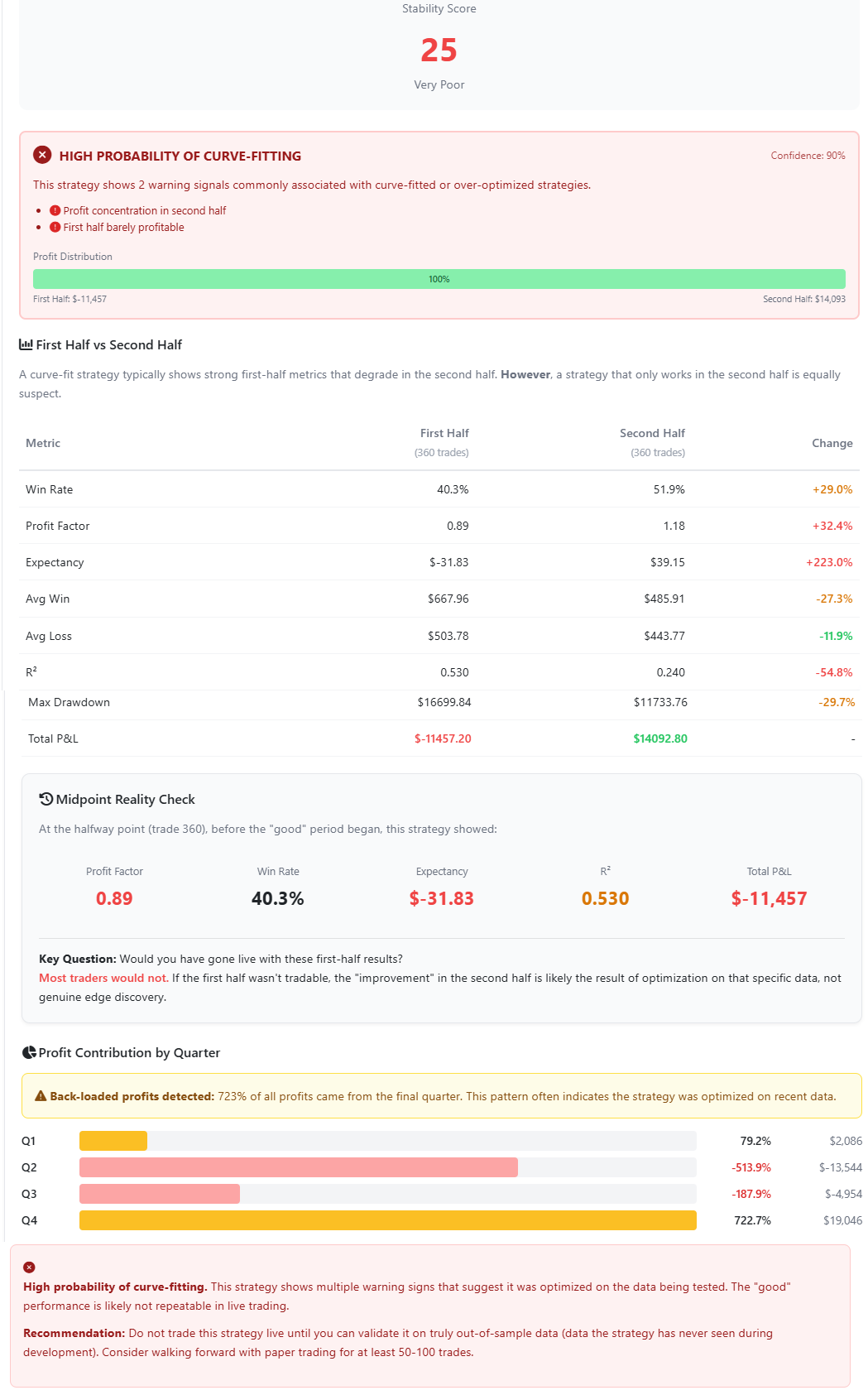
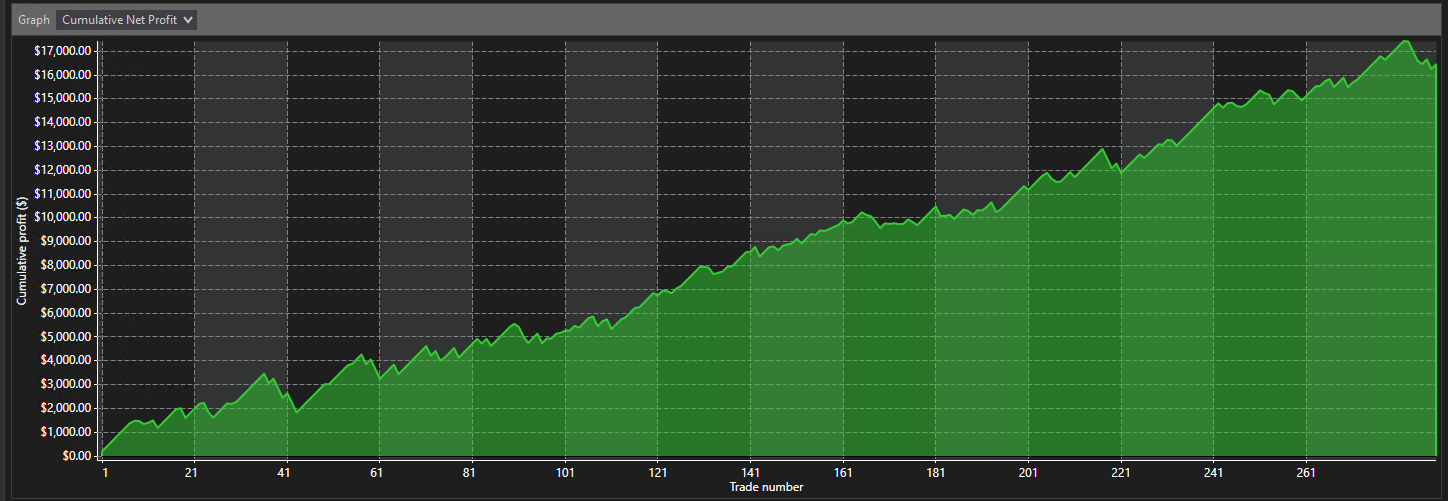
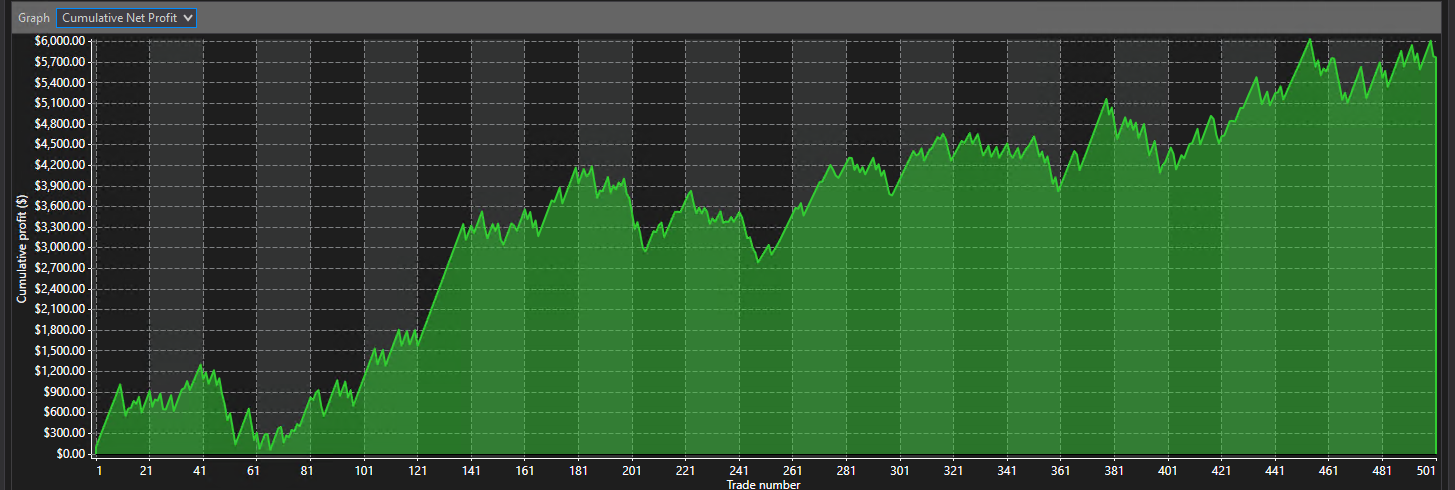
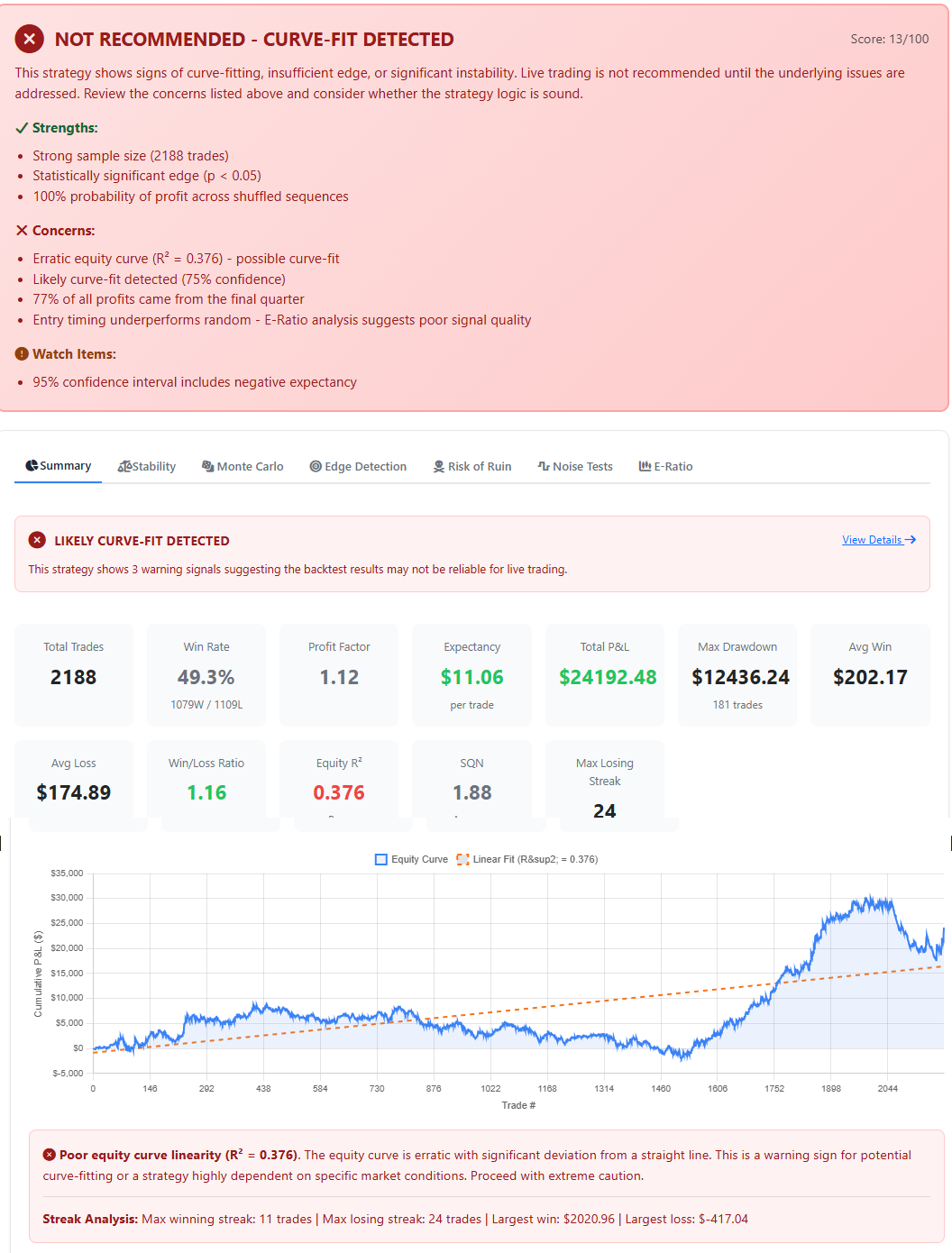
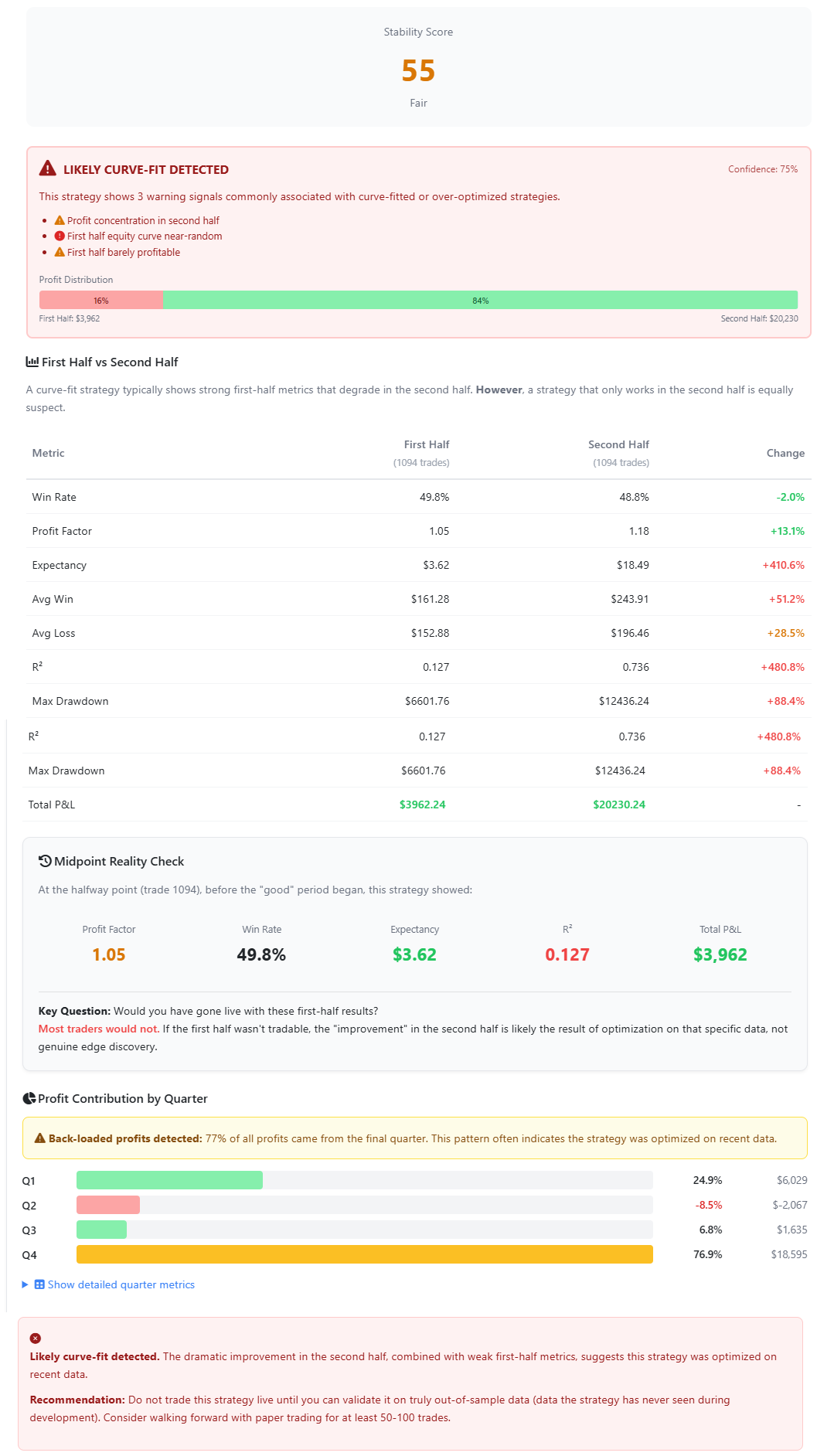
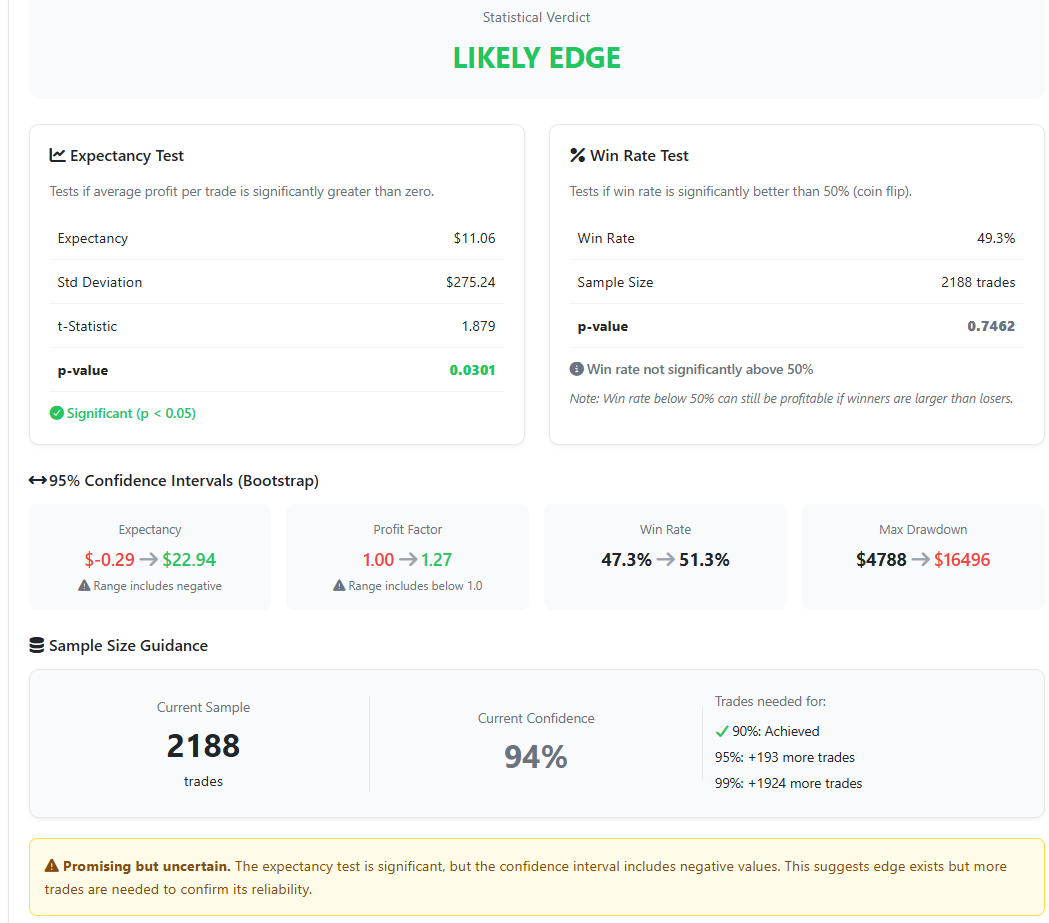
Here's the robustness tests for Goldilocks. I'll post separate entries for each of the legacy strategies


Posted Feb 24, 2026 at 1:53 AM
Breakout Guardian MES M5 


Posted Feb 24, 2026 at 2:00 AM
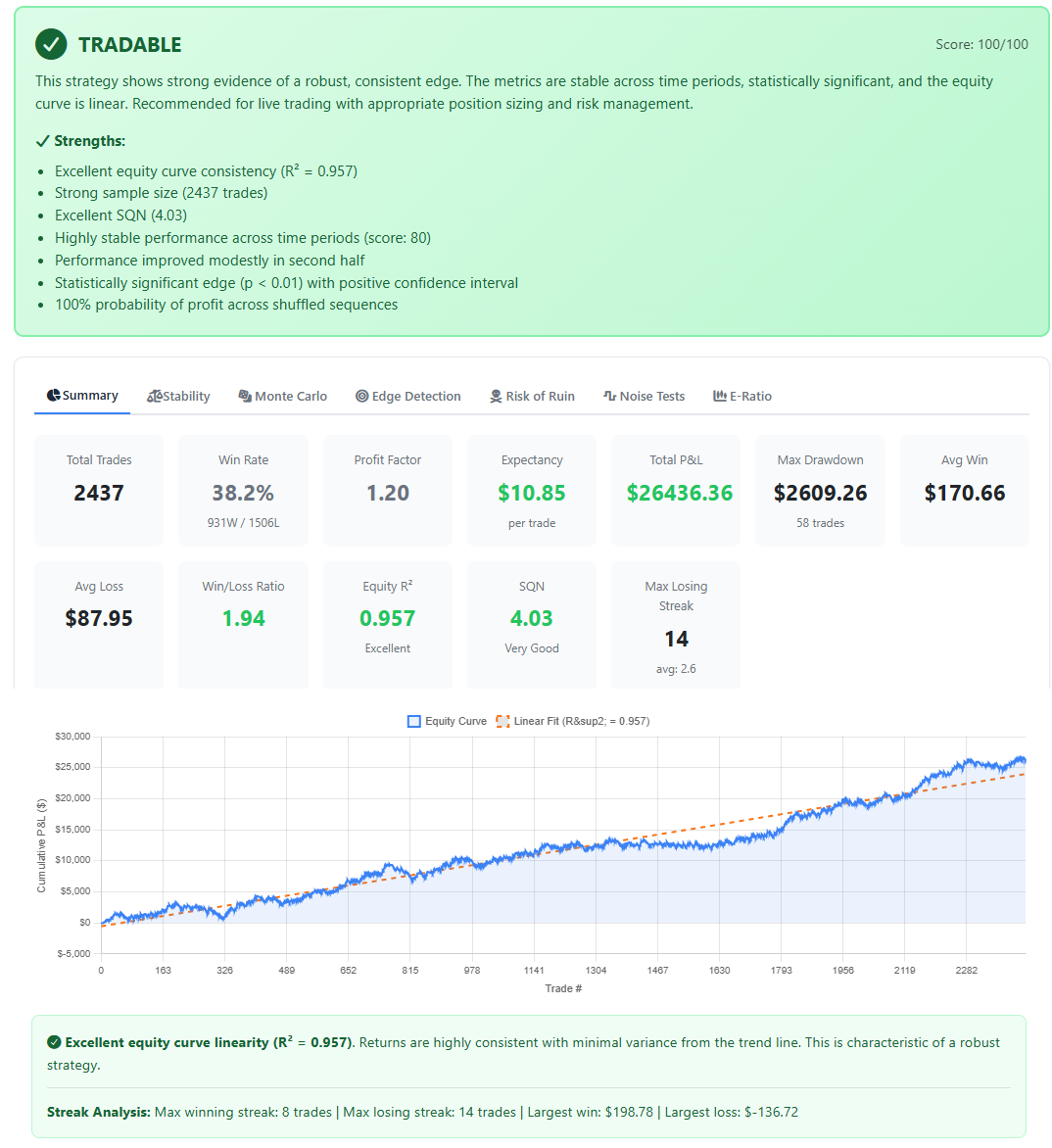
Low Volume Hunter


Posted Feb 24, 2026 at 2:05 AM
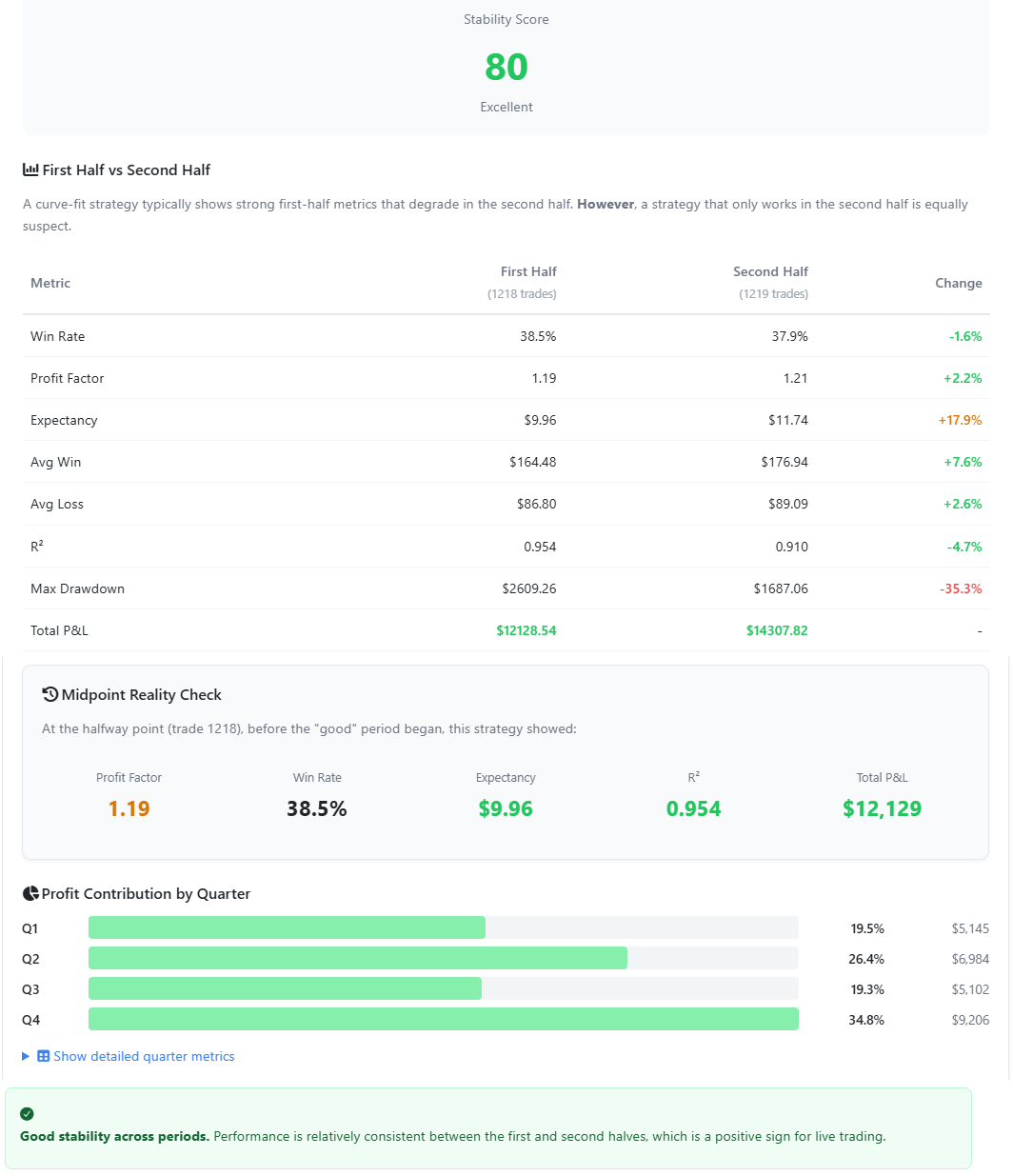
Direction Momentum CL M15


Posted Feb 24, 2026 at 2:13 AM
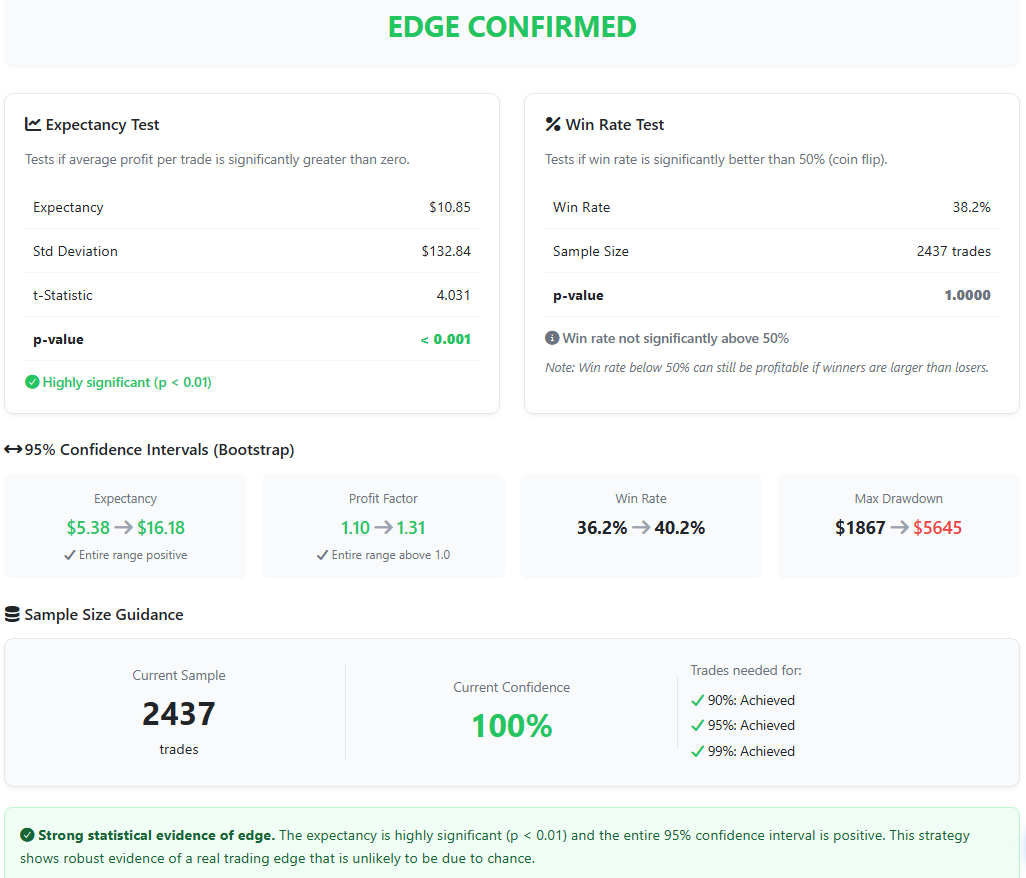
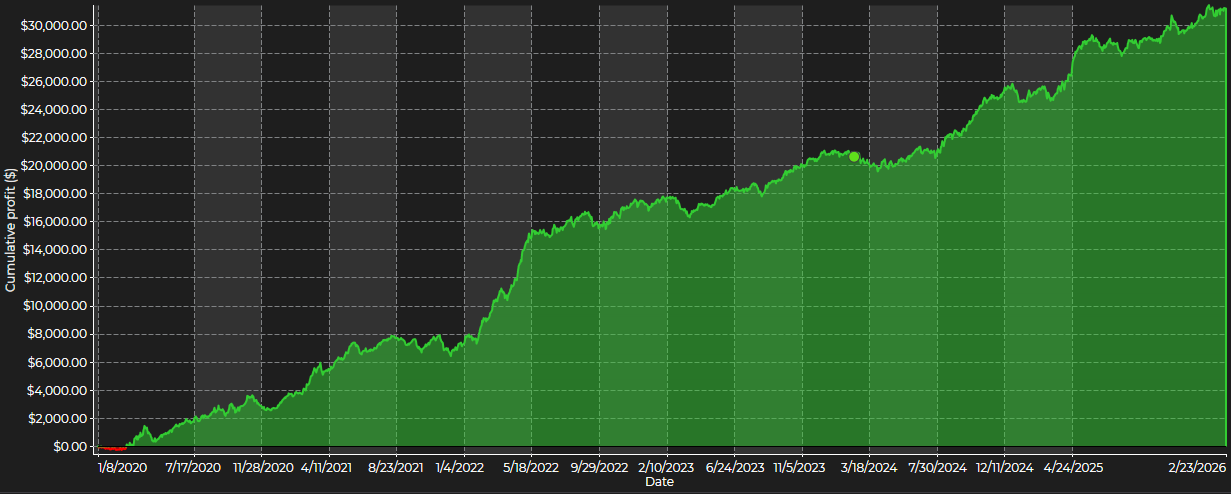
Phoenix MNQ M5


Posted Feb 24, 2026 at 2:16 AM Edited

Jeffrey and Paul— thank you both for the honest, detailed feedback. I genuinely appreciate it, and I want to address your points thoughtfully because they deserve it.

First — your success with the legacy bots is real. I'm not going to dismiss that. If Breakout Guardian is making you money and helping you pass evaluations, that's great. I'm glad it's working for you right now.

Jeffrey — your Phoenix experience was directly impacted by bugs I've since fixed. The Competition Coordinator issue that caused M4-M5-M6 to double up on the same trades was a real problem, and it was feeding you duplicate losing trades. That's not what Phoenix looks like when it's running correctly. Version 2.0.2+ resolved those coordination issues, and v2.0.4 (current) added significant improvements including MFE breakeven protection and ATR-based adaptive exits. If your Phoenix experience was colored by that doubling bug, you haven't actually seen what Phoenix does when it's working properly.

Now — the harder conversation about robustness.

I ran every strategy through the same rigorous validation framework: walk-forward optimization across multiple time periods, Monte Carlo simulation with thousands of iterations, and out-of-sample verification. Here's what happened:

  • Phoenix: 100/100 robustness score — 67.8% win rate, max 6 consecutive losers, bounded drawdowns across 3,000+ trades over six years.
  • Low Volume Hunter: passed robustness testing — but with a lower win rate, higher drawdowns, and up to 14 consecutive losers. That's a lot harder to sit through on a funded account.
  • Goldilocks, Breakout Guardian, Directional Momentum: failed robustness testing. When you stress-test them properly, the performance degrades significantly. That's the signature of curve-fitting.

I had to make a call. Even though LVH passed, Phoenix beat it on every metric that matters for prop firm survival — win rate, drawdown depth, and consecutive loss streaks. Running both added complexity without adding enough value to justify it. So I consolidated around the strongest strategy.

I know that's hard to hear when Breakout Guardian is putting money in your account today. But here's what 50+ years of programming and 6 years of strategy development taught me the hard way: curve-fit strategies look fantastic — right up until they stop working. And when they stop, they don't give you a warning. They just start bleeding.

I went through that cycle more times than I want to admit — build a strategy, optimize it, get excited, go live, get disappointed. Phoenix broke that cycle because it actually survived the testing that kills curve-fit strategies.

About the drawdown recovery times:

You're right that 139-157 days to recover from max drawdown is a long time. I won't sugarcoat that. But here's the critical difference: Phoenix's drawdowns are statistically bounded and expected. With 3,000+ trades over 6 years, we know what the drawdown envelope looks like. With Breakout Guardian's 9% drawdown-to-profit ratio over the last 12 months — that looks incredible. But that's one year of data. When I tested it over 6 years with proper stress testing, that number didn't hold up. A strategy that shows 9% drawdown-to-profit in a favorable period and then fails robustness testing is telling you the favorable period was the exception, not the rule.

About the returns being too small for prop firms:

Phoenix on MNQ with 1 contract is conservative by design. The strategy is built for consistency, not for maximum return per contract. But you have several ways to scale it up: run multiple timeframes (M4, M5, M6) to increase trade frequency while smoothing returns, trade more than one contract per instance, or move to NQ once you're funded and comfortable. I built a Phoenix Prop Planning Tool specifically to help you model different combinations of contracts, timeframes, and account sizes so you can find the right balance of return vs. drawdown for your situation.

The ~$425/month per MNQ contract is a floor estimate from backtesting, and the live performance is tracking the backtest — which is exactly what you want to see from a validated strategy. Strategies that dramatically outperform their backtest in the short term are actually a red flag, not a green one.

Regarding ongoing support for the legacy strategies:

I want to be clear — I'm not abandoning support for the legacy strategies. They haven't needed updates for some time, and if something comes up, I'll address it. You own those strategies and you're welcome to keep running them. What I am doing is focusing development, new features, and performance tracking on Phoenix going forward, because that's where the data tells me to put my energy. I posted the robustness test results for all strategies specifically so you could see the data and make your own informed decisions.

Jeffrey — I'd strongly encourage you to try Phoenix again with the latest version (v2.0.4). The Competition Coordinator issues are fixed, the ATR-based exits adapt to market conditions, and the MFE breakeven protection cuts risk significantly. Give it a fair shot without the bugs that plagued your first experience. I think you'll see a very different result.

I'd rather focus on one strategy that's statistically validated than spread myself across five where three are curve-fit. My reputation — and your and my funded accounts — depend on that standard.

Posted Feb 24, 2026 at 3:41 AM Edited
Apologies Tom, I was preparing this post at the same time and did not know you were responding... When you first put up pheonix, there was instruction on running 4-5-6 min. ?in competition. ?Can I get a clear explanation as to how that works please? Or can you point me in the right direction. And is it possible to back test this scenario? Curious thanks.

Its ok. I found the answer.

Running Multiple Accounts

Phoenix can run on multiple charts simultaneously, each connected to a different account. The built-in competition coordinator ensures that only one instance enters a trade at a time, and hedge protection scans across all accounts to prevent rule violations. No additional software or configuration is needed — the coordinator is bundled inside the Phoenix DLL.


Looks like the Low Volume Hunter does ok with your testing ?? Curious as to why you want to remove it?
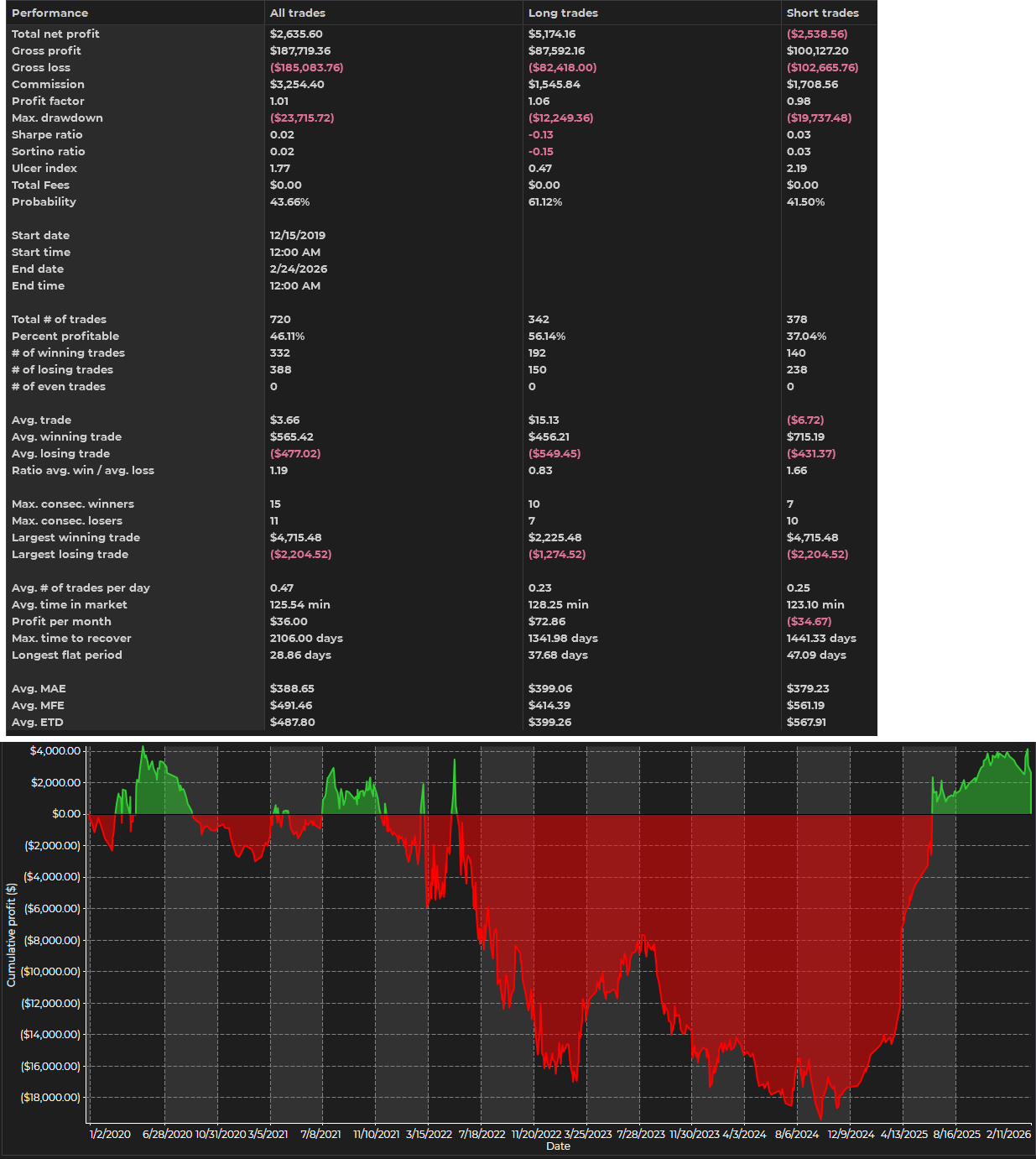
Also, I am not sure if this is just me, but I am sure others are doing it also. I am using version 1.0.9 of Breakout Guardian. I do not understand what is going on, but something is not right with the latter versions of this bot. Whenever I have tried to test the newer versions I get results similar to your results shown above. Nothing but negative. But with V1.0.9 I get pretty good results. Although last week was not so good, but for the 3 months I have been using it, I think I have only had a few -ve weeks. This is the opposite to what you show above.I know you have mentioned that you changed it etc, and results if testing the newer versions may not match the history as shown in the results page, BUT these results are significantly different to what you show above and hence the newer versions. Not sure that this has ever been looked at, but there is something significantly different going on.


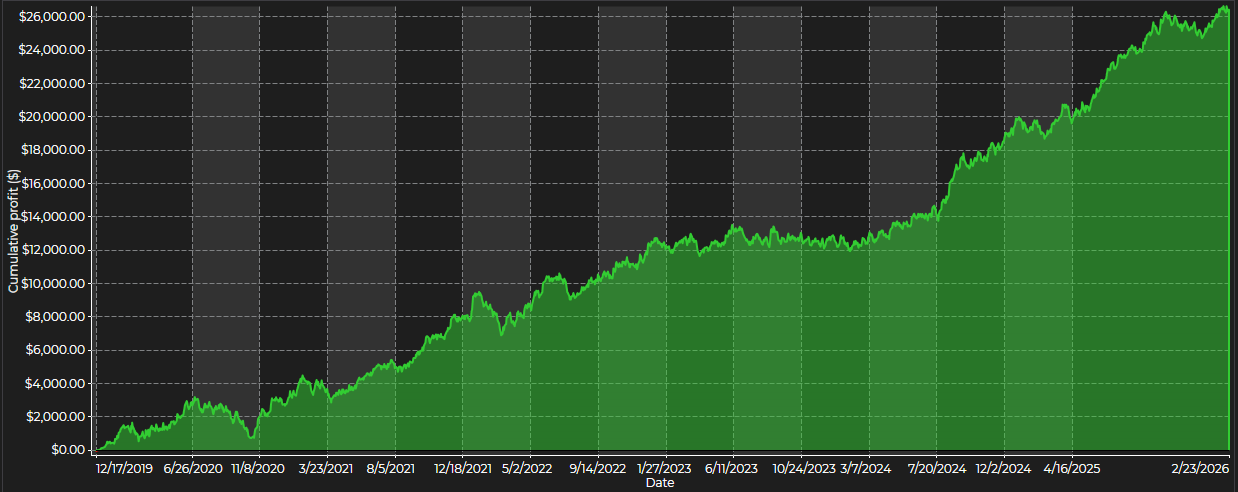
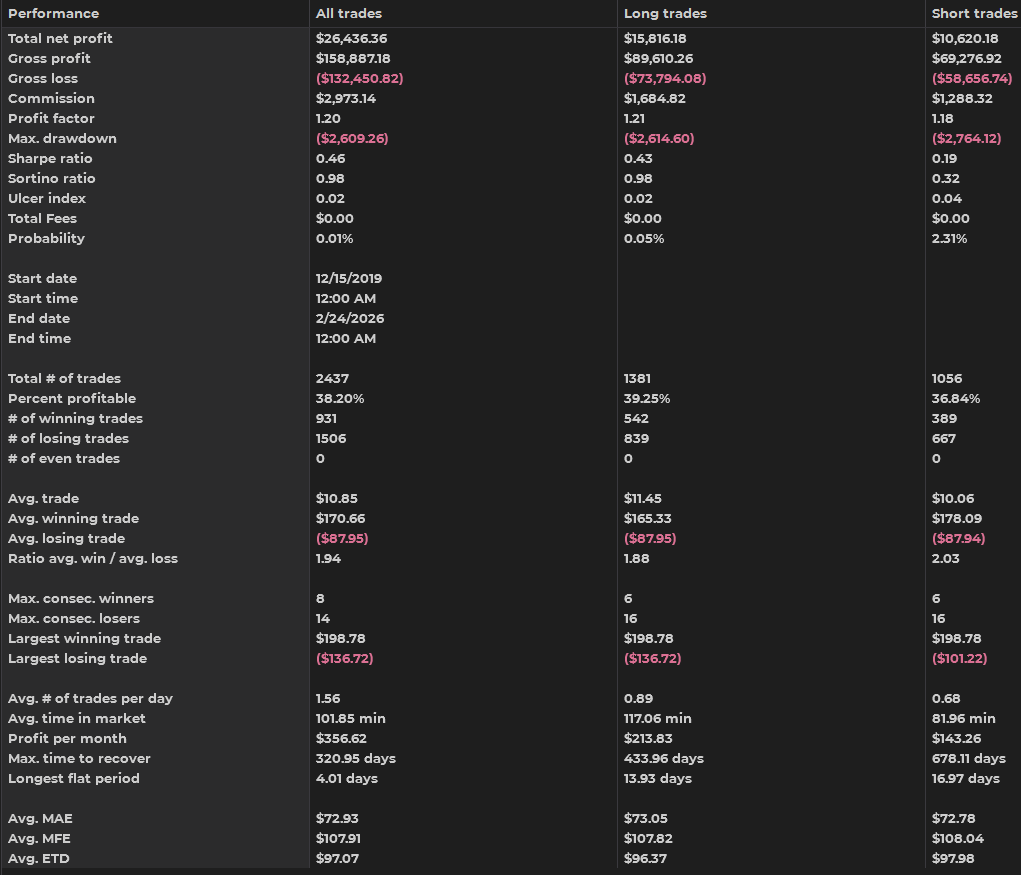
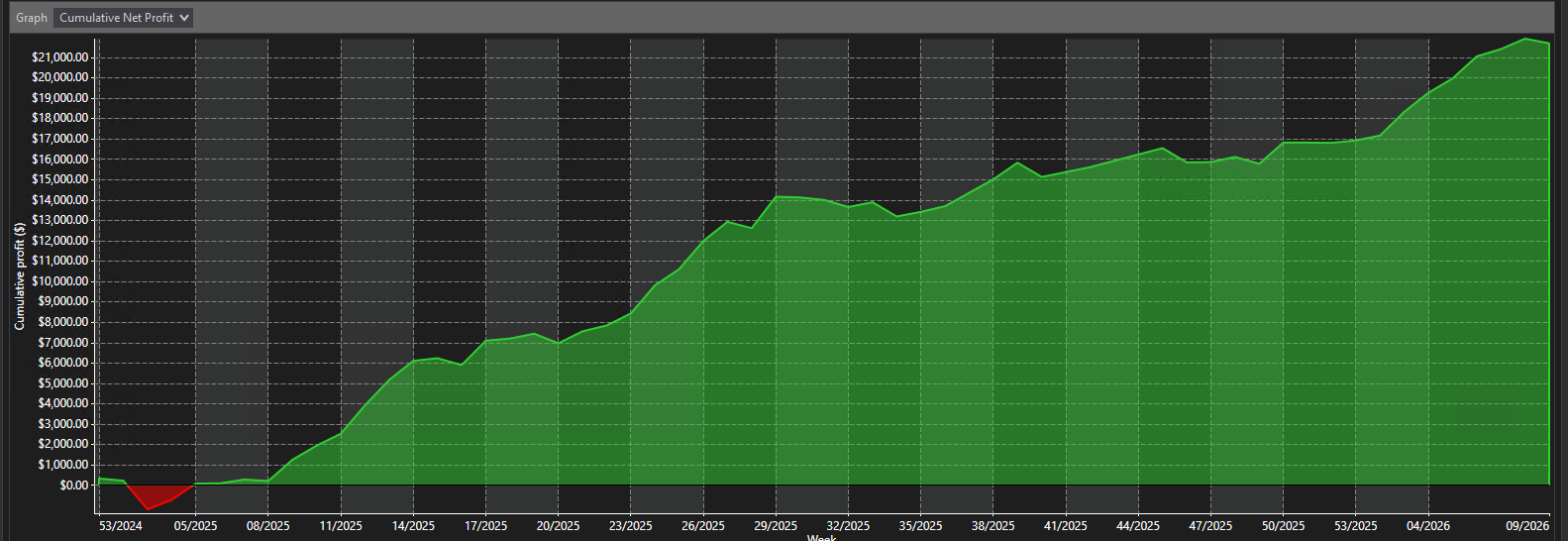
Below is Pheonix over the same time period:
I think you will agree that the top equity curve looks pretty ok, r sqd = 0.99 compared to 0.85 for pheonix.
Anyway, perhaps Breakout Guardian is at the start of its decline. No way of knowing just yet. But I hope you understand why I still consider Breakout Guardian a good choice at this stage. I have also started to pay more attention to Low Vol Hunter, weekly equity curve below. Again r sqd = 0.95 on this one.
Posted Feb 24, 2026 at 10:57 AM
Hi Tom,

I can only echo what others have said. I've managed to build 7 master accounts with LHV and BG and I'm absolutely thrilled. I've never been this successful. I share the same concerns as the previous posters. You didn't introduce the SMA filter for the portfolio for nothing. It's very helpful when both strategies enter a phase where they're not performing as well. I completely understand your reasoning. But let's be honest. Phoenix is ​​good in the long run. But what do I do with my master accounts? It would take me 8 months to get a payout if I started now. And that's precisely what we don't want. Sure, I could be faster with 2 micro futures, but at a higher risk.

I'm a fan of yours and I really appreciate your work. Open communication is helpful for all of us. It benefits everyone.
Posted Feb 24, 2026 at 1:03 PM Edited
I can also only echo what others have said. I love breakout guardian, used 1.0.9 but then switched to the lastest version from december. 1.0.9 and 1.2.1 for sure do not behave like the version you showed on the backtest page.

1.2.1. is only backtest-able with market data replay, not with the backtesting tool of NinjaTrader. The market replay results differ from the backtest tool results. But of course you will know that as the calculation is based on "price change" and not only "on bar close".

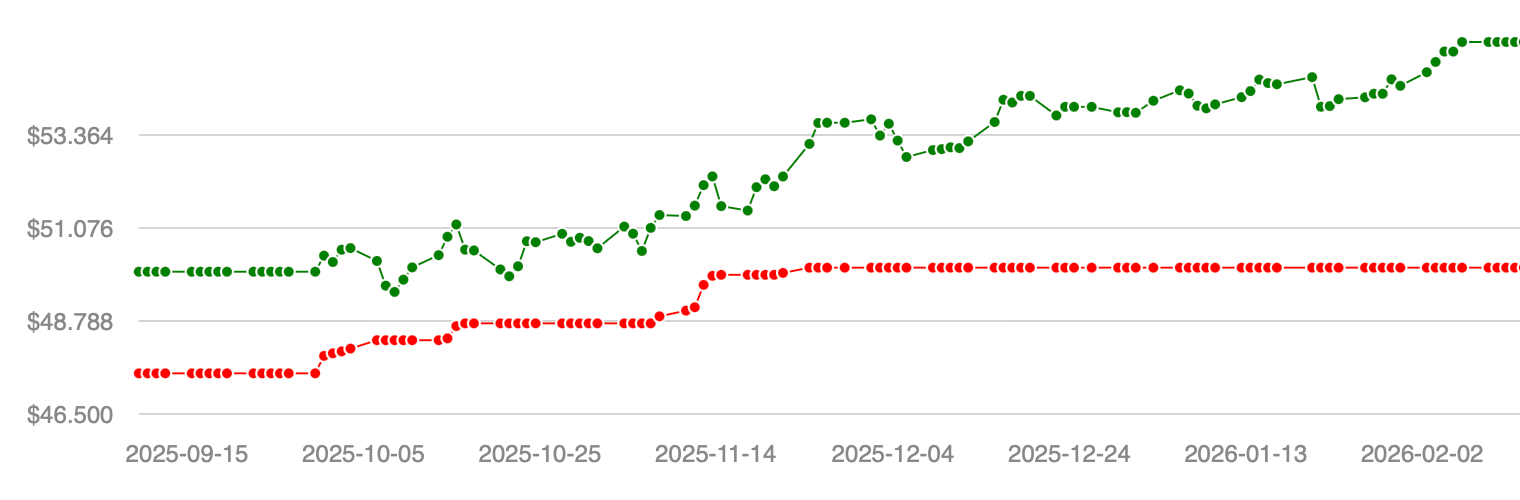
I have lots of PA accounts and in the meanwhile two Bulenox payouts. Here is my PA Bulenox equity curve... Never was so successful before, cannot believe that this is all curve fitting.
Posted Feb 24, 2026 at 2:41 PM

Jeffrey and Paul — I've thought about this and here's what I'm going to do.

I'm going to bring back the legacy strategy performance pages as a Legacy Archive with the SMA equity filter views. I'll update them once a week. You'll be able to track Breakout Guardian, Goldilocks, LVH, and Direction Momentum just like before.

However — and I need to be very direct here — these pages will come with clear disclaimers. The robustness test results I posted above aren't going away. Of the four legacy strategies, only Low Volume Hunter passed robustness testing. Goldilocks, Breakout Guardian, and Direction Momentum all failed. That data is what it is, and I stand behind it.

My development energy going forward is focused on Phoenix and on finding more highly robust strategies in different markets. I will fix bugs with the legacy strategies if needed, but active development on them is done. You also have access to the Data Exporter and can run your own robustness tests any time you want.

Jeffrey — I'd still encourage you to give Phoenix another shot with v2.0.4. Running Phoenix before version 2.0.0 had order processing issues inherited from Adaptrade's generated code. The order handling was completely re-written in 2.0 and solved all of those problems, including the Competition Coordinator issues you ran into. It's been very stable since the re-write. Reach out to me directly and I'll help you get it set up clean.

Posted Feb 25, 2026 at 1:16 AM
I put together an updated version of the SMA filtered performance page with the old strategies and Phoenix available. I'll update the data at least once per week.

https://futures.aeromir.com/performance-archive

This link is now on the Tools menu too.
Posted Feb 25, 2026 at 9:18 AM
Hi Tom, thanks for taking our comments into consideration regarding the legacy performance pages. I really do appreciate all the work you are doing and how in-depth you are going to make the strategies better and better. I do plan to transition over to Phoenix, I was just wanting to dance with the one that brung me a little longer before I switched partners :-) 

Couple of questions: 
On the performance page for Phoenix I assume it is just for the M5 version. Is that correct? If its just M5, would there be any way for you to provide all 3 versions (M4, M5, M6) so we can blend them together to see the total performance? Or is that exercise left to the user?

Could I run LVH in one Workspace with account #1 and Phoenix in another Workspace with account#2 within the same NT8? Or would I have to run on two different instances of NT8 with the two different accounts - which I can do since I have multiple PCs and NT8 licenses available to me since I use a VPS.

Want to join the discussion?

Login or create an account to reply to this thread.